




There is no universal Whistler top ten. The useful question is which experiences deserve priority for your season, available hours and group.
Choose by fit, not by popularity
A family with young children, a skier, an art traveller and a couple visiting in October should not receive the same Whistler list. The ten experiences below are strong candidates, but each includes a reason to choose it and a reason to skip it. That makes the guide useful for a decision rather than another generic “must-see” page.
1. Alpine sightseeing on Whistler or Blackcomb
Prioritize it when: mountain scale and high-elevation views are the main reason for the trip. Check the official operating calendar because lift access and the PEAK 2 PEAK Gondola do not share one permanent year-round schedule.
Skip or change it when: visibility is poor, winds affect operations, someone dislikes heights or the ticket would crowd out the activity your group actually values.
2. A focused Sea-to-Sky scenic journey
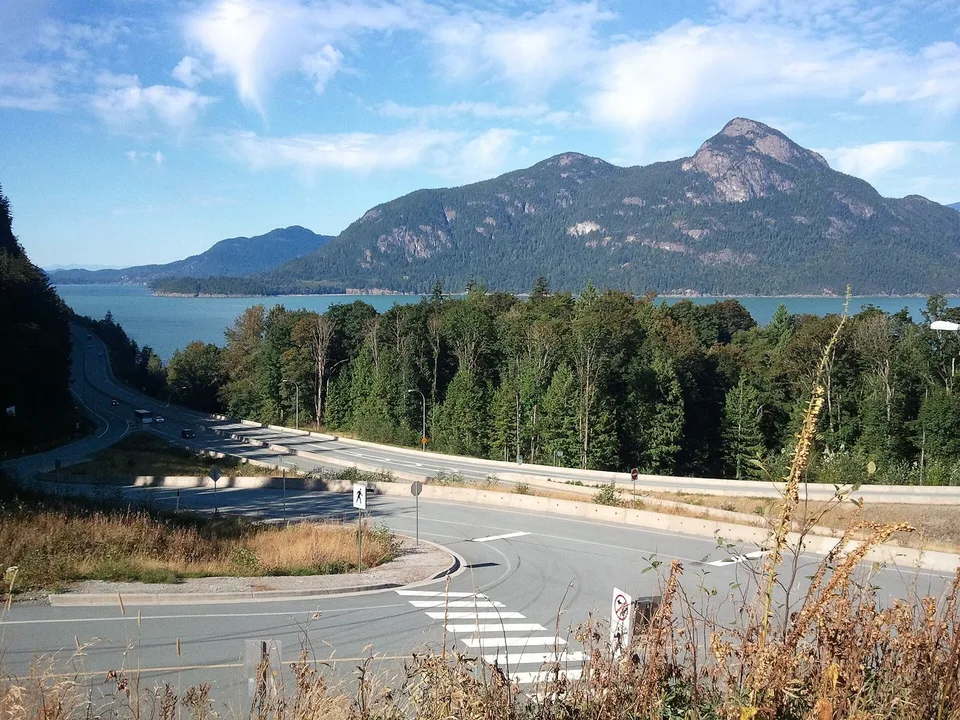
The road from Vancouver is part of a Whistler day. Choose one or two legal, open stops rather than improvising at every shoulder. Shannon Falls, Squamish and viewpoints along Howe Sound are common candidates, but parking and access vary.
Best fit: first-time visitors arriving from Vancouver. Trade-off: every stop reduces village or mountain time. Check DriveBC and the individual park before departure.
3. Squamish Lil'wat Cultural Centre
This cultural centre brings Squamish and Lil'wat Nation perspectives into a trip that is otherwise easy to frame only as scenery and recreation. Use its official site for current admission, tours, events and opening days.
Best fit: travellers who want cultural context, families and poor-weather days. Trade-off: allow enough time for the exhibits; it is not a five-minute photo stop.
4. Audain Art Museum
The museum is a strong anchor for art, architecture and a slower Whistler day. It can also balance a trip when alpine conditions are uncertain.
Best fit: art travellers, mixed-interest groups and rainy days. Trade-off: confirm the current exhibition and weekly schedule before building the day around it.
5. A Valley Trail section
The car-free Valley Trail network connects neighbourhoods, parks and lakes. Walk or cycle a section rather than trying to “complete” the network. Choose the segment by accommodation, weather and the next activity.
Best fit: active families and travellers wanting a low-cost outdoor period. Trade-off: distance and surface still matter; choose a route appropriate to the least-mobile person.
6. Lost Lake or another lake-and-park window
Whistler's lakes can be a welcome counterpoint to the village and mountains. Access, parking, swimming conditions and seasonal services vary. Tourism Whistler specifically warns that parking at popular lakes and parks is limited.
Best fit: warm-weather visitors with time to slow down. Trade-off: peak-period access can consume more time than expected; use transit, walking or cycling where practical.
7. A winter snow experience matched to ability
Skiing and snowboarding are the headline, but lessons, snowshoeing and other winter activities may fit non-skiers. Book through the relevant operator and read age, ability, equipment and weather rules.
Best fit: winter travellers who make snow the core of the trip. Trade-off: a first lesson or equipment setup can take a meaningful part of the day; do not schedule it like a quick attraction.
8. A summer adventure with explicit limits
Biking, ziplining, rafting and guided hiking can make a memorable summer trip. They also have different age, height, fitness, clothing and waiver requirements.
Best fit: travellers who want an activity-led day. Trade-off: transport, check-in and recovery time count. Confirm requirements before promising the experience to the group.
9. Village time that is actually unhurried
Whistler Village is useful as connective tissue—food, shops, pedestrian space and access to other experiences—but it can also be the main plan for a relaxed group. Give it a defined window instead of filling every gap with shopping.
Best fit: mixed ages, low-energy days and travellers who want dining and atmosphere. Trade-off: a village-only day may disappoint someone who expected alpine access; align expectations first.
10. One excellent meal or food stop
A deliberate lunch or early dinner can anchor a long day and keep the group together. Reserve only when the restaurant matters, and leave enough margin between a timed mountain activity and the table.
Best fit: couples, celebrations and multigenerational groups. Trade-off: a late dinner followed by the drive to Vancouver can create fatigue. An earlier meal may produce a better day trip.
Priority plans for four common travellers
| Traveller | First priority | Good complement | Usually remove |
|---|---|---|---|
| First-time summer day trip | Alpine sightseeing if operating | One Sea-to-Sky stop | Multiple long activities |
| Family with younger children | Age-appropriate anchor | Village or short Valley Trail | Unverified height-limit activities |
| Art and culture traveller | Squamish Lil'wat Cultural Centre or Audain | Village meal | Expensive alpine ticket without interest |
| Winter non-skier | Confirmed winter activity or culture | Village and early meal | Ski-based assumptions |
How many experiences fit in one day?
From Vancouver, two is a sensible ceiling when one is a major timed experience. An overnight stay can support three or four across two days. The goal is not to hit ten; it is to leave with a clear memory of the experiences you chose.
Seasonal shortlists
Summer or early fall
Start with the official alpine operating calendar. If sightseeing is running and visibility is good, pair it with village time or one cultural stop. On a hot day, a lake or Valley Trail section can replace—not simply add to—the alpine plan. During smoke or heat events, check official health and wildfire information and be willing to move the trip.
Winter
Skiers should build around the mountain day, equipment and lesson timing. Non-skiers can combine one confirmed snow activity with culture or village time. Short daylight, winter-road requirements and driver fatigue should influence the departure time from Vancouver.
Spring and late fall
These are the seasons when copied “top ten” lists fail most often. Mountain lifts, bike operations and winter activities can sit between seasons. Treat museums, food and lower-elevation walks as primary candidates and verify every seasonal activity individually.
Accessibility and mixed-mobility planning
Do not label a whole Whistler day accessible because one building has an elevator. Ask each attraction about parking or drop-off, route surface, seating, washrooms, mobility-device access and assistance. For a group with different abilities, choose a common anchor plus optional shorter branches rather than separating everyone for the entire day.
Transportation needs the same detail. Give the provider the device type, folded dimensions, transfer needs and number of bags. A vehicle category alone does not confirm fit.
Turn ten ideas into a booking-ready plan
- Choose one non-negotiable experience.
- Confirm its exact operating day, start time and requirements.
- Add one nearby complement that does not need a rigid reservation.
- Choose a meal based on geography and timing.
- Write a weather or operations fallback before paying.
- Only then confirm transportation and the realistic return time.
Questions to check before booking
- Does it operate on our exact date and at what elevation?
- What are the age, height, fitness or mobility requirements?
- How early must we arrive, and where is check-in?
- What changes if weather or smoke affects operations?
- How will we reach the next activity without rushing?
Schedules, access, border rules, fares and operating conditions can change. Confirm current details with the linked official source or service operator before travelling.
Sources and current trip checks
- Whistler Blackcomb — Hours of Operation — live mountain calendar
- Squamish Lil'wat Cultural Centre — current exhibits, programming and visitor information
- Audain Art Museum — current exhibitions and opening information
- Resort Municipality of Whistler — Valley Trail — official trail planning
- Tourism Whistler — Lakes and Parks — access and limited-parking guidance
- DriveBC — current Highway 99 conditions