




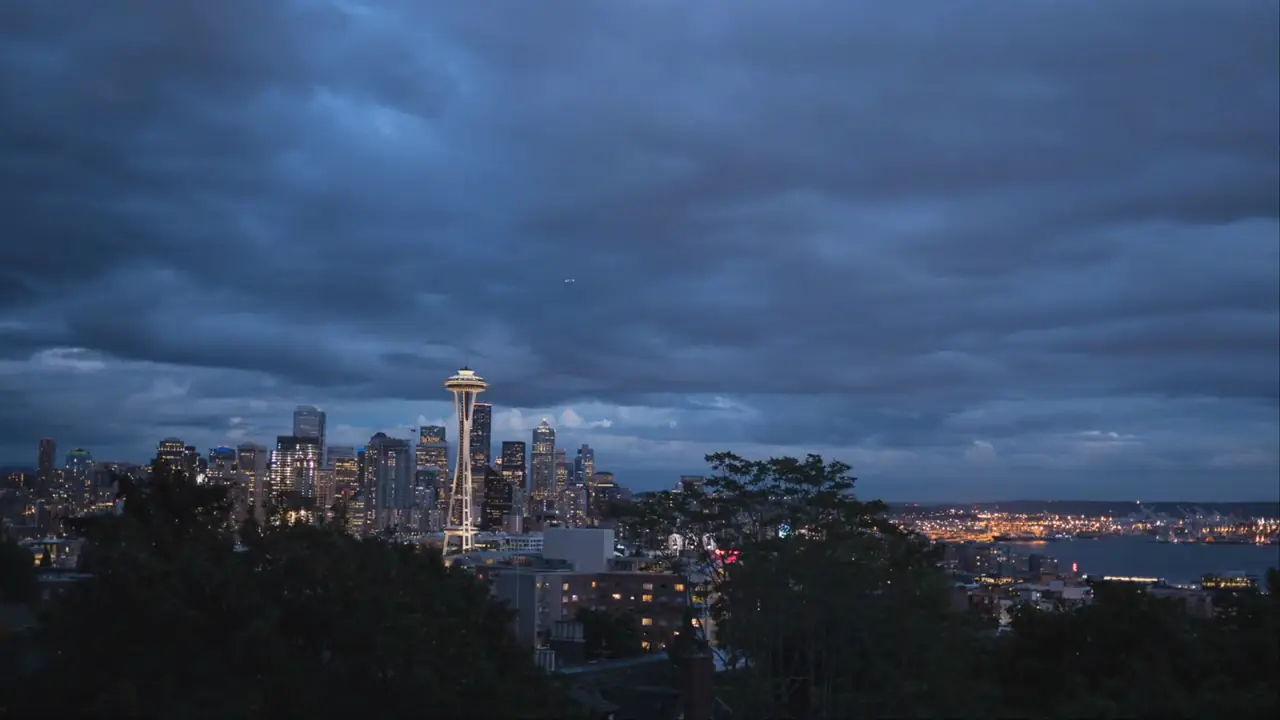
The best Seattle-to-Vancouver road trip does not use all five stops. Choose one major stop or two short ones, then protect enough time for the border and Vancouver arrival.
Do not plan this as a fixed three-hour transfer
Seattle and Vancouver look close on a map, but traffic, stops and the international border make the arrival time variable. Treat the drive as a travel day. If you have a flight, cruise or timed event in Vancouver, build the plan around that deadline and skip optional stops.
WSDOT publishes cameras and wait times for Washington border crossings. Peace Arch on I-5 and Pacific Highway on SR 543 are listed as open 24 hours, but lanes, eligibility and real-time conditions differ. Peace Arch does not accept commercial vehicles. Always follow the crossing rules that apply to your vehicle and travellers.
Before departure: documents, declarations and rental-car permission
- Check entry documents for every traveller. Citizenship, residency, age and mode of travel can change requirements. Use CBSA and U.S. government sources, not a blog summary.
- Confirm the rental car can cross the border. Ask the rental company about written permission, insurance, fees and one-way restrictions.
- Know what must be declared. Food, alcohol, cannabis, gifts and purchases can have restrictions or duties. Cannabis crossing remains illegal under federal border rules even where local possession may be legal.
- Download or save key information. Mobile service can be inconsistent; keep booking and accommodation details accessible.
Stop 1: Boeing Future of Flight in Everett
Choose it for: aviation enthusiasts, older children who meet the height rule and travellers willing to make this the major stop.
The Boeing Everett Factory Tour is an 80-minute guided experience, but the official site asks guests to arrive at least 30 minutes early. Tickets can sell out. The published minimum height is 4 feet/122 centimetres, and personal items—including phones and cameras—are prohibited on the factory tour. Those constraints make advance booking essential.
Time reality: this is not a quick roadside pause. Include the detour from I-5, early arrival, lockers, the tour and the return to the highway. Skip it when the border or Vancouver check-in deadline is tight.
Stop 2: Seattle Premium Outlets in Tulalip
Choose it for: travellers with a specific shopping list, footwear or outdoor-brand needs, or families who want a food and restroom break.
The outlet is directly off I-5 at Exit 202 and lists more than 125 stores on its current site. Store mix, offers and hours change; check the official directory on the day rather than planning around an old brand list.
Shopping boundary: decide a time and budget before entering. Keep receipts and understand Canadian declaration and duty rules. “Outlet” does not guarantee the lowest price, and currency conversion can change the value.
Stop 3: Chuckanut Drive for scenery
Choose it for: travellers who prefer coastal scenery to shopping and have daylight and suitable road conditions.
Chuckanut Drive is a scenic alternative between the Skagit Valley and Bellingham area rather than a rest stop on I-5. It adds winding-road driving and can be affected by weather, incidents or closures. Use the official regional map and WSDOT information before committing.
Best pairing: continue into Fairhaven for food or a walk. Do not add both Chuckanut and a long Everett attraction unless the entire day is deliberately built around the route.
Stop 4: Historic Fairhaven in Bellingham
Choose it for: an unhurried meal, independent shops, waterfront atmosphere or a walk before the final border segment.
Fairhaven is also a transportation district with Amtrak and intercity connections. Park once and keep the visit compact. Individual shop and restaurant hours vary, so verify a must-visit business directly.
Time reality: Fairhaven is easy to let expand into half a day. If Vancouver is the priority, select one café, one short walk and a departure time.
Stop 5: Peace Arch and Blaine—only if border conditions allow
Choose it for: a final stretch, washroom plan or a brief look at the border landscape when access, parking and timing are appropriate.
Peace Arch Historical State Park and the border crossing are related but not interchangeable. Do not leave a vehicle or change lanes based on a casual map assumption. Follow park, roadway and border-officer directions. If waits are high, use WSDOT's current information to understand alternatives; do not cross-switch without confirming eligibility and route rules.
Three sensible route versions
| Plan | Stops | Who it fits |
|---|---|---|
| Efficient | One short Tulalip or Fairhaven break | Travellers who mainly need to reach Vancouver |
| Aviation | Boeing Future of Flight, then border | Visitors with a timed tour and flexible arrival |
| Scenic | Chuckanut Drive and Fairhaven | Daylight travellers who want the road to be the experience |
How to choose stops by the time you can truly spare
Less than one hour beyond the direct trip
Take one practical break close to I-5. Tulalip can work if you enter with a specific purchase and departure time; Fairhaven can work for a pre-selected café and short walk. Do not book the factory tour or take the full Chuckanut detour.
Two to three hours beyond the direct trip
Choose one major experience: Boeing Future of Flight or a scenic Chuckanut–Fairhaven section. Protect the border and Vancouver arrival rather than adding outlet shopping because it appears nearby.
A full travel day with no fixed Vancouver deadline
You can pair an early Everett stop with a short meal farther north, or combine Chuckanut and Fairhaven. Even then, five stops create a collection exercise rather than a good road trip. Keep the border as a variable, not the last ten minutes of the plan.
Shopping without creating a border problem
Keep purchase receipts together and know who bought what. Before buying food, plants, alcohol or other regulated goods, check the relevant Canadian rules. Personal exemptions depend on circumstances such as residency and time away; a retailer cannot determine your border treatment. Never ask a driver or another passenger to carry or declare an item that is yours.
Currency, card foreign-transaction charges, Washington sales tax and possible Canadian duty or tax all affect the real price. A “deal” should still make sense after those costs and the time spent stopping.
Rental car versus train versus private transportation
Rental car: offers control over stops, but requires cross-border permission, insurance clarity, parking and a plan for returning the vehicle.
Amtrak Cascades: removes driving and parking from the trip. The 2026 preclearance change applies to U.S.-bound passengers departing Vancouver; confirm the current process in your direction, station arrival time and baggage rules.
Private transportation: can coordinate a group and route, but the commercial operator must follow applicable border and vehicle rules. Obtain the stop plan, price unit, waiting, documentation responsibilities and cancellation terms before payment.
Morning-of-travel check
- WSDOT traffic and border cameras;
- documents for every traveller;
- rental or provider authorization;
- weather and any scenic-route incident;
- confirmed opening time for the chosen stop;
- Vancouver accommodation, parking and check-in instructions.
What changed in 2026?
The clearest material 2026 update is for the train alternative, not for a promised faster drive. WSDOT announced that U.S.-bound Amtrak Cascades passengers began completing U.S. customs and immigration preclearance at Vancouver's Pacific Central Station on June 8, 2026, removing the previous onboard inspection stop at Blaine for that direction.
That does not eliminate the need for documents or guarantee every journey time, and it does not change road-border processing. It does make rail worth comparing if you do not need a car in Vancouver. Check the current Amtrak Cascades timetable and requirements before choosing.
Crossing into Canada: arrival checklist
- Check WSDOT cameras and wait information before the final approach.
- Have every traveller's required documents ready.
- Answer border questions accurately and declare required goods.
- After crossing, use Canadian speed units and follow provincial road signs.
- Protect time for Richmond or Vancouver traffic, parking and hotel check-in.
Common questions
Can I visit all five stops in one day?
You can physically pass them, but the result is usually a rushed arrival. Choose one major stop or two short compatible stops.
Which crossing is fastest?
There is no permanently fastest crossing. Compare current waits, vehicle restrictions, lane eligibility and your destination.
Can a private driver take us across the border?
Some licensed services offer cross-border transportation. Confirm passenger documents, commercial-vehicle crossing rules, luggage, price, waiting, cancellation and return arrangements before booking.
Is outlet shopping duty-free?
No. Purchases can be subject to Canadian declaration, exemption and duty/tax rules. Check CBSA guidance for your trip.
Schedules, access, border rules, fares and operating conditions can change. Confirm current details with the linked official source or service operator before travelling.
Sources and current trip checks
- WSDOT — Border Crossings — live cameras, waits, hours and vehicle restrictions
- Canada Border Services Agency — Travel Documents — official Canadian entry-document guidance
- Canada Border Services Agency — Making a Declaration — goods and purchase declaration rules
- Boeing Future of Flight — Factory Tour — current tour length, booking and visitor restrictions
- Seattle Premium Outlets — Official Information — location, store count and visitor details
- Visit Bellingham — Chuckanut Drive Map — official regional scenic-route map
- WSDOT — 2026 Amtrak Cascades Preclearance — June 2026 rail-border process update