




Whistler becomes much easier when you plan around season, mountain operations and travel time—not around a generic list of attractions.
First, decide what kind of Whistler trip you are taking
A winter ski day, a summer alpine visit, a family village weekend and a Vancouver-to-Whistler scenic day are four different trips. The most common planning mistake is borrowing advice from the wrong season. Use these ten points as a decision framework, then confirm current details with the official operator.
1. Whistler is seasonal even when the village is open
The village operates year-round, but lifts, alpine sightseeing, biking, snow activities and trails follow separate calendars. Whistler Blackcomb publishes mountain operating dates and hours, and notes that they can change. In 2026, its published summer calendar gave different date windows for Whistler Mountain, Blackcomb Mountain and PEAK 2 PEAK. That is exactly why an evergreen article should link to live hours rather than promise a specific lift.
Decision: write down the one mountain experience you want, then verify that it operates on your date before paying for transport or building the rest of the day.
2. The Sea-to-Sky drive is part of the trip
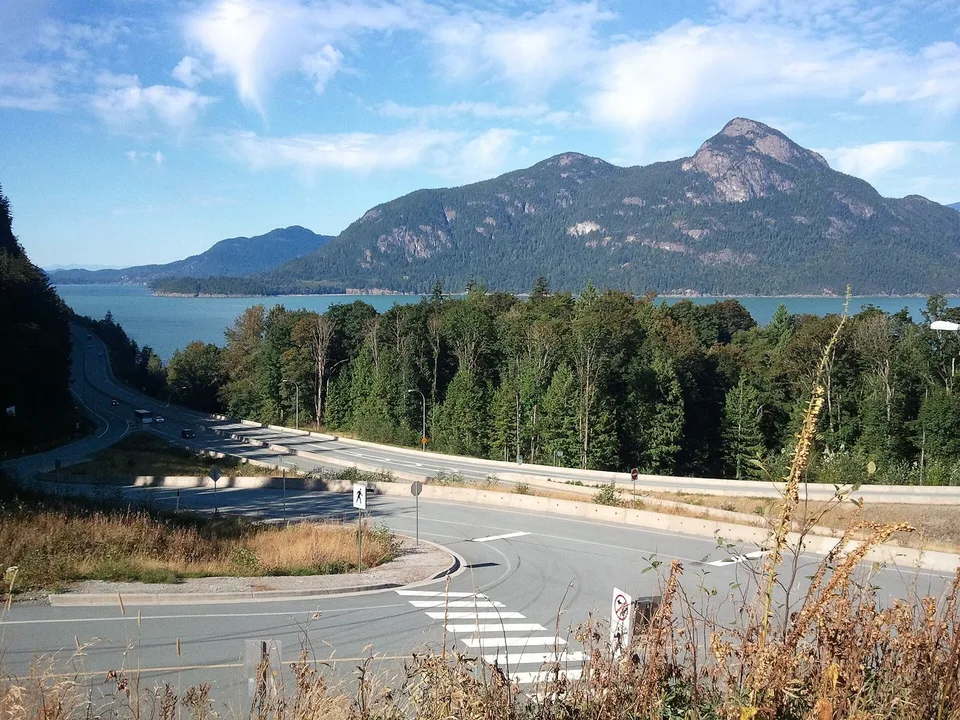
Highway 99 between Vancouver and Whistler is scenic, but it is also an active mountain highway. Traffic, construction, weather, collisions and stops can change the day. Check DriveBC on the morning of travel and again before the return.
If driving in winter, use the Province of British Columbia's current winter tire and chain information. A rental reservation does not automatically answer whether the vehicle and tires meet the route and conditions; confirm that directly.
3. A Vancouver day trip needs fewer Whistler activities
A day trip includes two substantial road segments. Pick one main Whistler anchor and at most one short secondary experience. For example: alpine sightseeing plus village time, or the Audain Art Museum plus a meal and Valley Trail walk. A long hike, several paid attractions and multiple Sea-to-Sky stops rarely fit comfortably together.
For an overnight stay, add activities on the second morning rather than stretching the arrival day.
4. Book the time-sensitive item, not every minute
Tourism Whistler recommends advance booking for popular summer activities. The same logic applies to peak winter dates. Reserve the limited-capacity or timed experience first. Keep meals, shopping and casual village time flexible unless a particular restaurant matters to the trip.
Read cancellation and weather policies before payment. Mountain weather can change even when the village feels mild.
5. Dress for elevation, shade and rapid changes
Village weather is not a complete alpine forecast. Pack layers, a weather-resistant outer layer, sun protection, water and footwear matched to the actual activity. In winter, ordinary city shoes may be uncomfortable on snow or ice; in summer, a hot village afternoon does not guarantee warm conditions at elevation.
6. Parking can determine the shape of the day
Whistler has public parking, but the best plan depends on date, event and destination. Tourism Whistler warns that popular lakes and parks have limited parking. If staying in the village, ask whether hotel parking is included and whether you need the car during the stay.
Once parked, the pedestrian village and local transit can reduce repeated vehicle moves. For parks and trailheads, use the specific facility's current access rules.
7. The Valley Trail is useful, not just recreational
Whistler's Valley Trail is a car-free network connecting neighbourhoods, lakes and parks. It can turn a short walk or bike ride into part of the transportation plan. The full network is much longer than most visitors need; choose a section based on weather, daylight and the return route.
8. Wildlife needs distance, not a better photo
Whistler is bear country. Follow current local and provincial guidance: do not feed wildlife, secure food and waste, respect closures and keep distance. If wildlife is near a road or trail, do not create a crowd or stop where it is unsafe. A telephoto view is better than changing an animal's behaviour.
9. Build a village-level backup plan
High winds, smoke, rain, poor visibility or operational decisions can change an alpine plan. A useful backup might combine the Audain Art Museum, Squamish Lil'wat Cultural Centre, village dining and a shorter Valley Trail section. Confirm current openings and tickets—do not assume every indoor venue operates daily.
10. Choose transportation by the whole party
Compare scheduled coach or shuttle, rental car and private transportation using arrival time, number of travellers, luggage, skis or bikes, child-seat needs, mobility and return flexibility. A private option can simplify a group plan, but it is not automatically the best or fastest choice for every traveller. Ask any provider to confirm pickup, total price, luggage fit, waiting, delay and cancellation terms in writing.
A simple first-trip decision table
| Your priority | Plan first | Keep flexible |
|---|---|---|
| Alpine views | Lift operations and timed ticket | Village meal and shopping |
| Ski or snowboard day | Mountain ticket, equipment and lesson if needed | Après location |
| Family day | Age/height limits and one anchor activity | Play time and meal timing |
| Scenic road trip | Transport, DriveBC and one corridor stop | Photo stops subject to access |
| Rainy or low-visibility day | Indoor opening hours | Short outdoor windows |
Day trip or overnight: make this choice before transport
A day trip is efficient when you want scenery, one confirmed Whistler experience and a return to the same Vancouver hotel. It also avoids moving luggage. Its limitation is the double road journey: every late start, highway delay and extra stop reduces time in Whistler.
An overnight is usually better when the trip centres on skiing, a long summer activity, a special dinner or a slower multigenerational pace. It lets the group experience the village after day visitors leave and reduces pressure to drive back after a tiring activity. The trade-off is accommodation cost, parking or transfer logistics and another check-in.
A useful test is to list the activities that require a fixed start time. If there are two major timed items, or one item ends late in the day, an overnight is more resilient.
A realistic Vancouver day-trip sequence
- Before departure: check DriveBC, the mountain operator and the weather source relevant to your activity.
- Northbound: use one planned Sea-to-Sky stop only if access and time remain comfortable.
- Arrival: park or drop off once, orient the group and protect the check-in time for the main activity.
- Midday: complete the anchor experience, then choose food nearby rather than crossing the resort for a famous name.
- Afternoon: add a short village, cultural or trail window. Treat it as optional if the morning ran long.
- Return: check road conditions again and leave before driver fatigue becomes part of the itinerary.
Costs first-time visitors forget to compare
Look beyond the headline lift ticket or hotel rate. A full comparison can include parking, equipment rental, lessons, activity check-in, meals, resort fees, transportation, winter equipment and cancellation flexibility. If comparing shared and private transport, match the units: a shared fare may be per person while a private quote may use a different unit. Ask for the complete basis in writing.
48-hour checklist
- Reconfirm the anchor activity and its check-in location.
- Check the official mountain calendar, not only a weather app.
- Review DriveBC and the provincial seasonal-driving page.
- Pack layers, water and activity-specific footwear.
- Confirm passenger count, luggage and equipment with the transport provider.
- Save the backup plan and cancellation contacts.
Common first-time questions
Can I visit Whistler without skiing?
Yes. The village, cultural venues, dining, trails and seasonal sightseeing create many non-ski plans. Availability still depends on date and conditions.
Is one day enough?
One day is enough for a focused introduction from Vancouver. Stay overnight if you want multiple activities, a long hike, a relaxed dinner or less road time in one day.
Do I need to buy PEAK 2 PEAK tickets in advance?
Check the official operating calendar and ticket page for your date. Advance booking is prudent on high-demand dates, but operations remain subject to conditions.
What should I do if wildfire smoke affects the trip?
Check official air-quality, wildfire and road information; follow health advice; and use a flexible cancellation or backup plan. Do not rely on old photos or a forecast screenshot.
Schedules, access, border rules, fares and operating conditions can change. Confirm current details with the linked official source or service operator before travelling.
Sources and current trip checks
- Whistler Blackcomb — Hours of Operation — current mountain and lift calendar
- Tourism Whistler — Know Before You Go — booking, layers, parking, alerts and backup planning
- Resort Municipality of Whistler — Valley Trail — official trail network information
- Province of British Columbia — Winter Driving — current seasonal driving requirements
- DriveBC — live highway conditions and incidents