




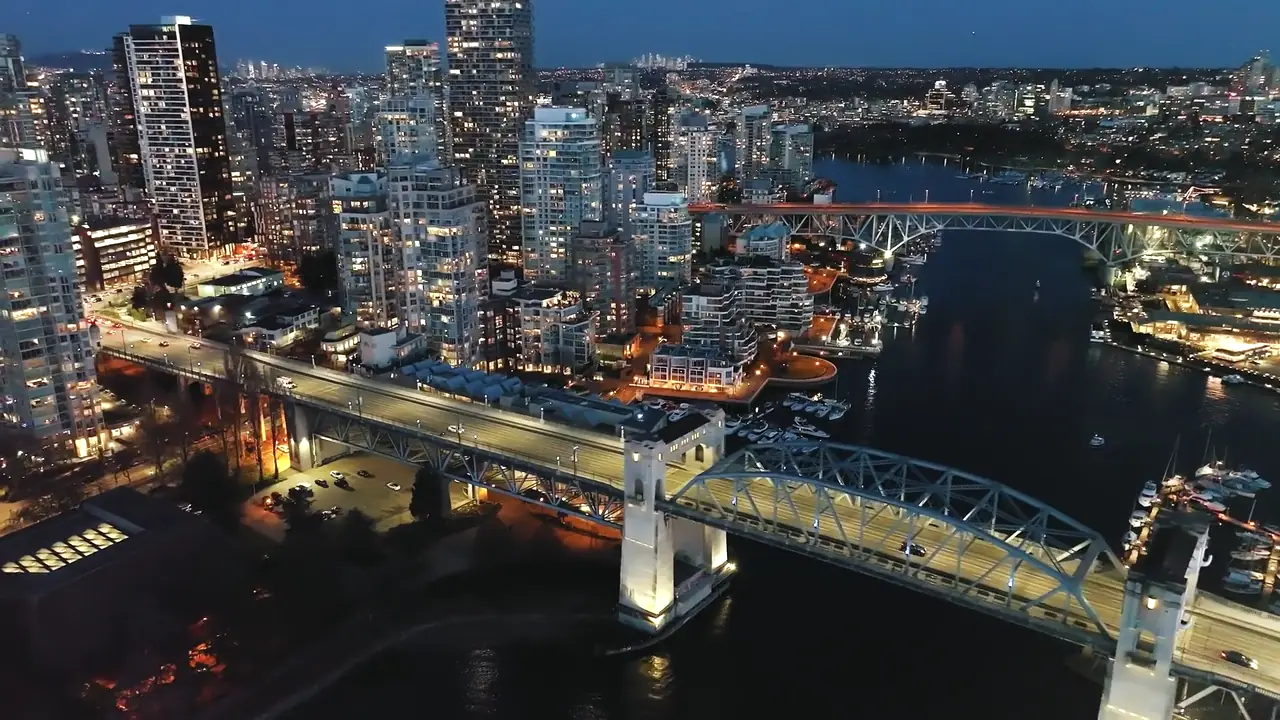
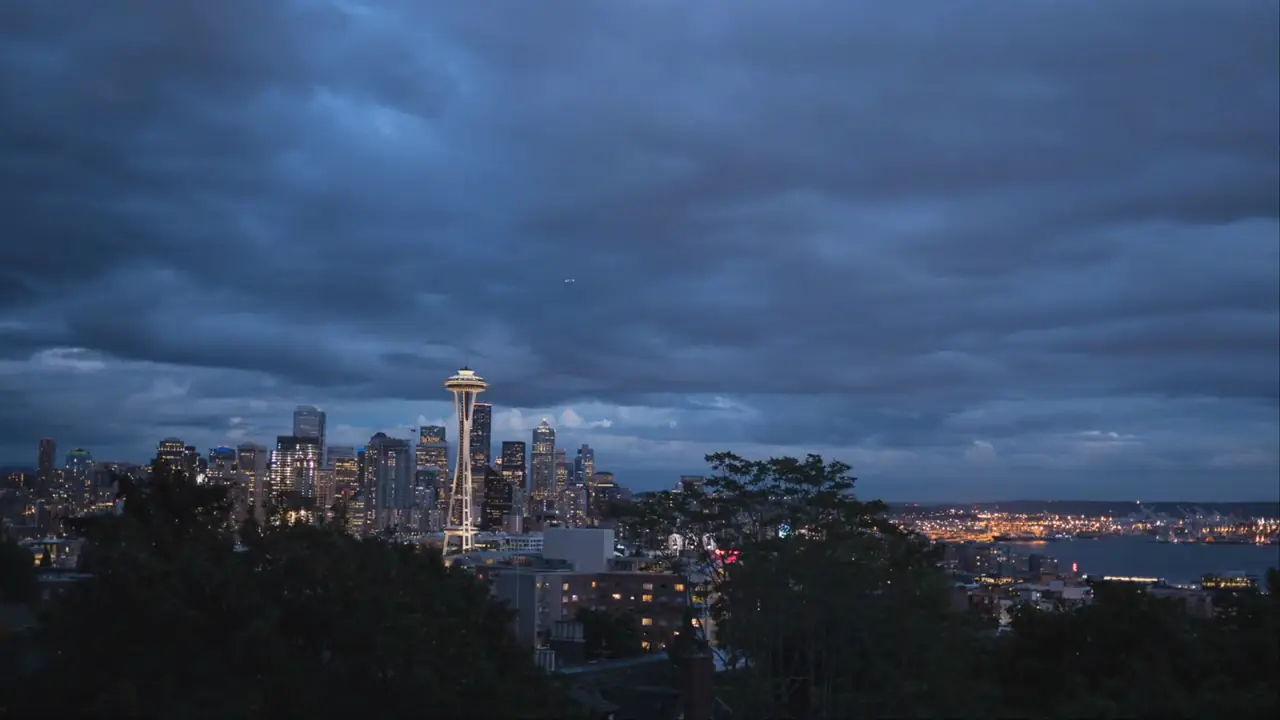
This plan gives Vancouver's city, coast and mountains enough room to breathe. It is designed for a first visit, not for collecting the maximum number of attractions.
Who this 3-day Vancouver plan is for
This itinerary suits first-time visitors who want the city's best-known landscapes while still having time to eat, walk and change course. It works especially well for couples, families with school-age children and small groups staying downtown or near a Canada Line station.
It is not a checklist for travellers who want a museum-heavy trip, several technical hikes or both Victoria and Whistler in the same three days. Those are good trips, but they need a different schedule. Victoria requires a ferry or flight in each direction; the Okanagan and Kelowna deserve an overnight rather than a rushed final-day drive.
The three days at a glance
| Day | Main idea | Best for | Weather fallback |
|---|---|---|---|
| 1 | Stanley Park, waterfront and Granville Island | Orientation, views, food and an easy first day | Shorten the seawall; add the Vancouver Art Gallery or covered market time |
| 2 | Sea-to-Sky corridor and Whistler | Mountains, scenery and a full-day outing | Choose lower-elevation stops and a village-focused plan |
| 3 | North Shore or neighbourhood Vancouver | A day matched to energy, season and interests | Markets, museums, cafés and indoor cultural stops |
Before day one: make the arrival day deliberately small
If your flight lands after midday, do not count that as a full sightseeing day. Immigration, baggage, the trip from YVR and hotel check-in can consume more time than a map suggests. YVR says the Canada Line reaches downtown in under 30 minutes, but that is train time—not plane-door-to-hotel time.
A useful arrival evening is a waterfront walk, a meal close to the hotel and an early night. Coal Harbour, English Bay, Yaletown and Gastown can each work, depending on where you are staying. Pick one. Saving Stanley Park and Granville Island for daylight makes the first full day much better.
Day 1: Stanley Park, the waterfront and Granville Island
Morning: see Stanley Park at the pace you actually enjoy
Start early enough to enjoy the park before the busiest part of the day. The City of Vancouver describes Stanley Park as a 400-hectare urban park. The seawall section around the park is about 9 kilometres; the city suggests roughly two to three hours on foot or about one hour by bicycle. Those times exclude photo stops, food and detours into the park.
Choose one of three versions:
- Short orientation: Coal Harbour, the totem poles area, Brockton Point and a viewpoint. This preserves energy for the afternoon.
- Full seawall: walk or cycle the loop if weather, mobility and bike confidence fit. Follow posted directions because cycling and walking paths are separated in places.
- Park interior: combine a shorter waterfront section with forest trails, gardens or the aquarium. Check the operator's current hours and tickets separately.
Families often enjoy a shorter park section more than a forced full loop. Travellers with limited mobility should check surfaces, washroom access and drop-off points rather than relying on distance alone.
Midday: connect the park to the city
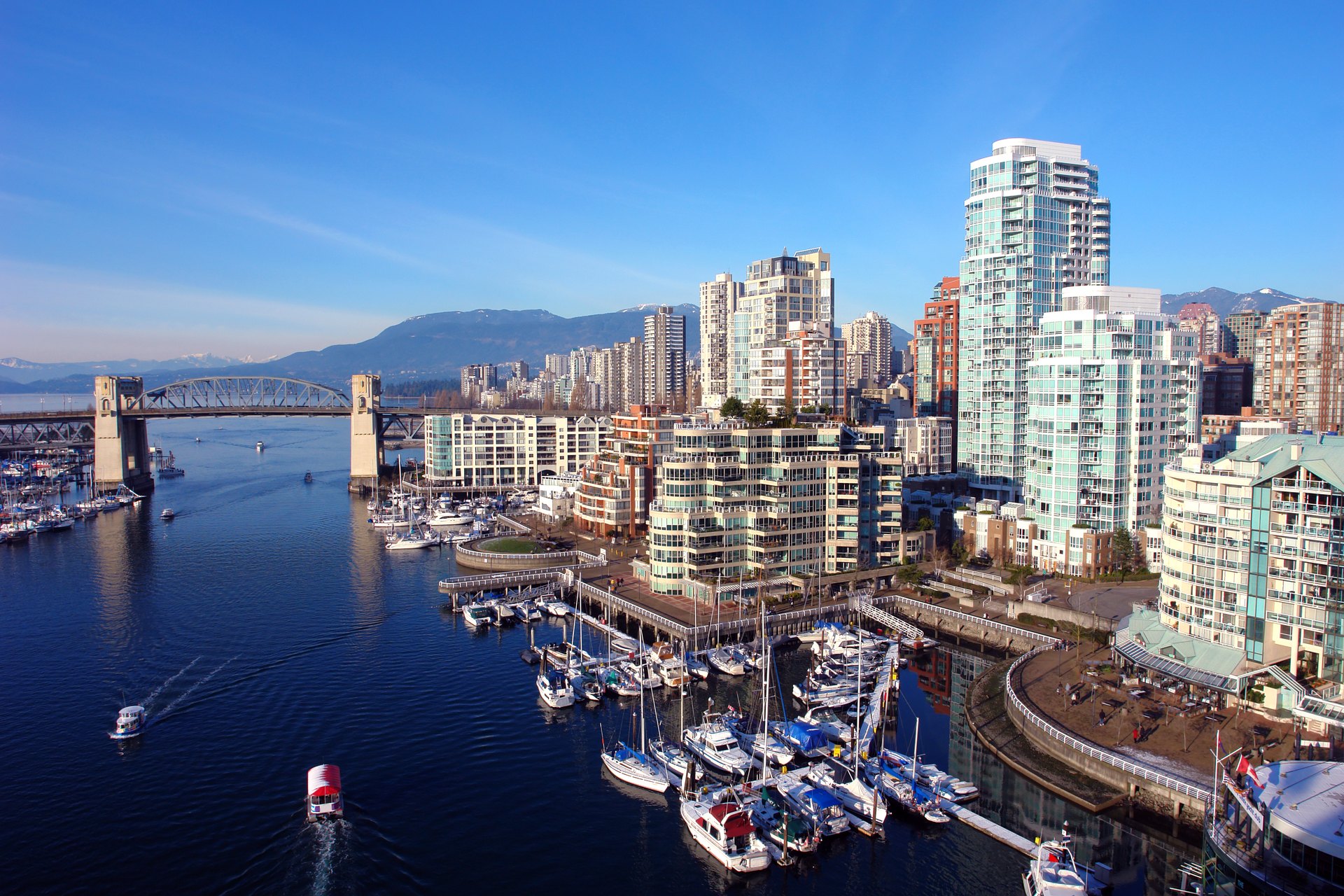
Continue through the West End or along Coal Harbour rather than driving from landmark to landmark. This is where Vancouver begins to make geographic sense: downtown is a peninsula, the mountains sit to the north and False Creek curves around the south side of the centre.
Lunch can be near Denman Street, Robson Street or the waterfront. Avoid committing to a far-away reservation if the park is your priority; the extra transfer can erase the relaxed pace this itinerary is built around.
Afternoon: Granville Island for food, craft and False Creek
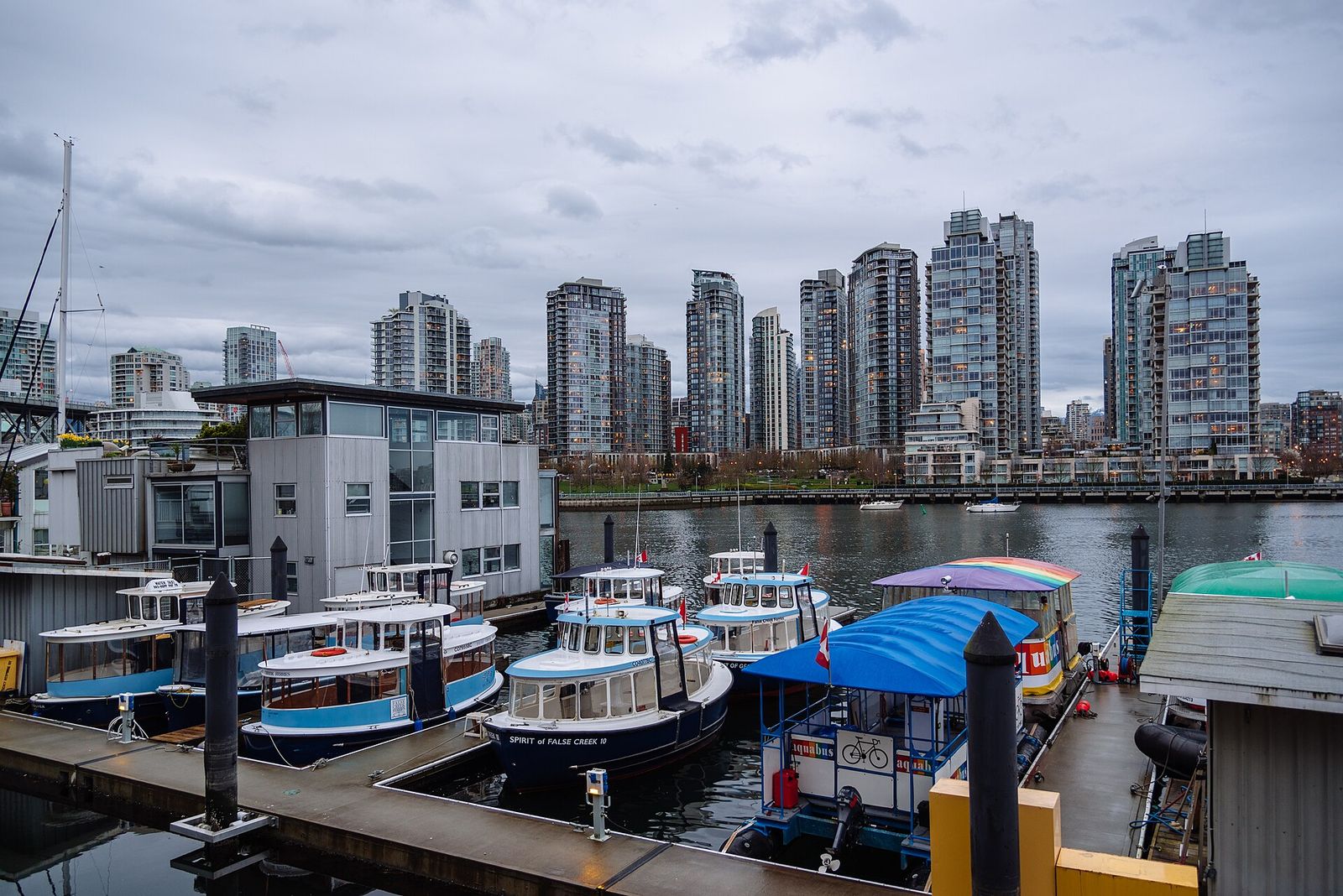
Granville Island is strongest as a district, not a single attraction. Give the Public Market time, then look beyond it to studios, small retailers and the waterfront. The island's official transportation page lists the #50 bus, False Creek ferries and Aquabus connections. Individual businesses keep their own hours, so confirm any shop or restaurant that matters to you.
A small passenger ferry is a scenic way to connect the island with other False Creek stops, but service and weather can change. If driving, expect congestion and limited parking at peak times. Walking, transit, cycling or ferry access can be simpler.
Evening: one neighbourhood, not three
Choose Gastown for historic streets and restaurants, Yaletown for a polished dining evening, or English Bay for sunset. Do not try to combine all three after a full day. If you have young children or an early Whistler departure, dinner near the hotel is the higher-value choice.
Day 2: Sea-to-Sky and Whistler as a real full-day trip
Whistler is not a quick extension of a Vancouver morning. Build the day around the drive, seasonal road conditions and one or two experiences that matter to your group. Leave enough room for scenic stops without turning every viewpoint into a deadline.
A practical rhythm
- Leave Vancouver early. Check DriveBC before departure, especially during winter weather, wildfire season or major events.
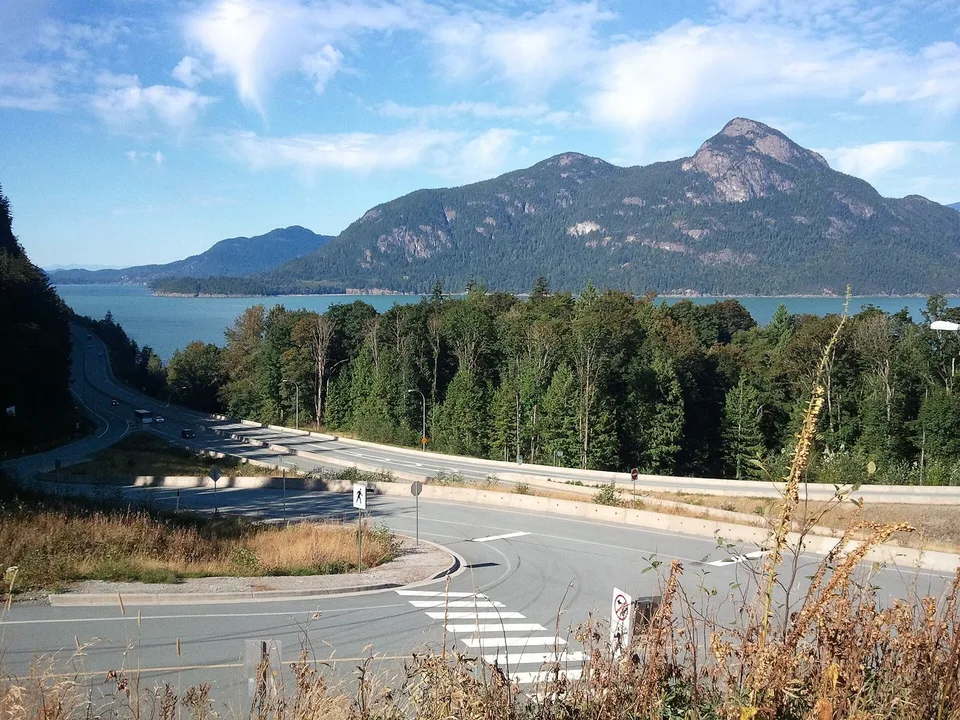
- Choose one Sea-to-Sky stop on the way north. Porteau Cove, Shannon Falls or Squamish may fit, but access, parking and conditions vary. A stop that adds 30 minutes on paper can add much more when lots are full.
- Give Whistler one clear anchor. That might be alpine sightseeing, the village and Audain Art Museum, a family activity or a relaxed meal and Valley Trail section. Confirm season, tickets and operating hours.
- Return before everyone is exhausted. Night driving, winter conditions and post-activity fatigue change the risk of the return trip.
Tourism Whistler advises summer visitors to book key activities ahead, pack layers, keep a backup plan and expect limited parking at popular lakes and parks. The same planning principle applies in winter: the mountain and highway are operational environments, not fixed attractions.
What not to force into the Whistler day
A long hike, several paid activities, a full village meal, multiple scenic stops and a late Vancouver dinner rarely belong in one relaxed day. Choose what would disappoint you most to miss, reserve that first, and treat the rest as optional.
Day 3: choose the North Shore or neighbourhood Vancouver
The third day should respond to your group rather than copy another visitor's list. Make one of these two plans.
Option A: North Shore nature and views
Take the SeaBus to Lonsdale Quay and the Shipyards for a low-friction North Shore start, then add one major attraction or nature area. Capilano Suspension Bridge and Grouse Mountain are separate paid attractions with their own operating conditions. Lynn Canyon is a public park environment and should not be treated as a guaranteed substitute for a ticketed attraction; trails and access can change.
This option fits travellers who still have mountain energy after Whistler, or those who skipped alpine sightseeing on day two. It does not require visiting every North Shore headline in the same afternoon.
Option B: Vancouver neighbourhoods, culture and food
Choose two compatible districts: Commercial Drive and Mount Pleasant for independent food and shops; Chinatown and Strathcona for history and cultural institutions; Kitsilano and the beaches for a slower outdoor day; or downtown museums and galleries when it rains.
A neighbourhood day is not a lesser itinerary. It gives travellers time to notice the city beyond its postcard stops and is often the better final day before a flight.
How to adapt the plan
With children
Use one major activity before lunch and one flexible activity after. Parks, ferries and hotel pool time can be more successful than a late sequence of reservations. Confirm child-seat and vehicle requirements directly with any operator; do not assume a seat is included.
Without a car
Day one and either day-three option work well with transit, walking and short ferry connections. For Whistler, compare a scheduled shuttle with a private transfer or tour. Check return times before booking the northbound leg.
For a cruise stay
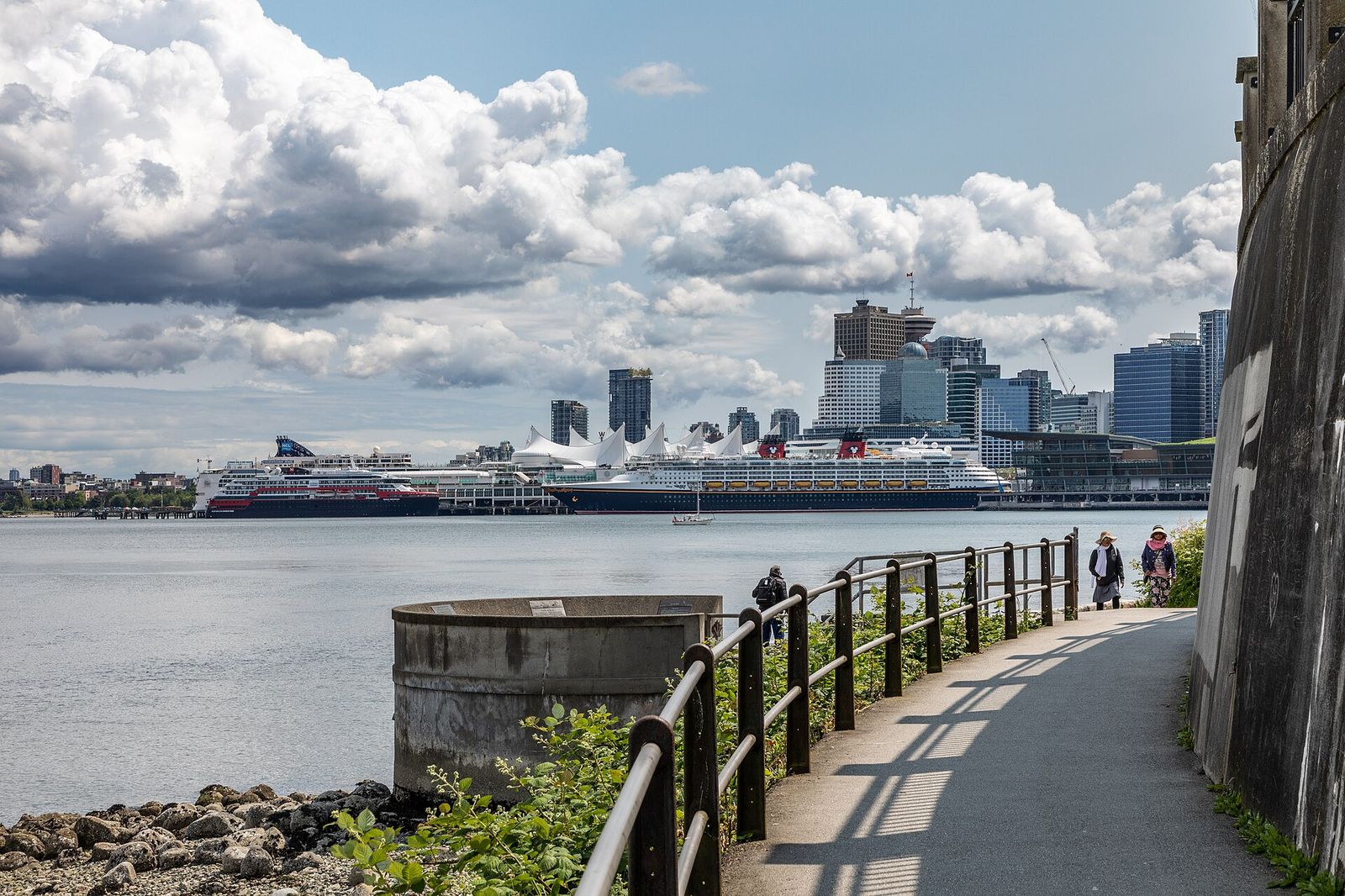
Keep embarkation and disembarkation days light. Port processing and baggage are not sightseeing time. A short city route may fit, but only after the ship, pickup, luggage and terminal deadlines are confirmed.
In winter
Short daylight and road conditions matter more than the number of stops. Confirm mountain operations and British Columbia winter-driving requirements. Build indoor alternatives into each day.
Common planning mistakes
- Counting travel time as attraction time. A 25-minute train or two-hour drive does not include every transition around it.
- Using restaurant reservations as geography. Crossing the city twice for a meal can consume the best daylight.
- Booking every hour. Weather, queues and group pace make a rigid Vancouver itinerary brittle.
- Treating Victoria as a spare afternoon. It is a worthwhile destination that deserves a dedicated day or overnight.
- Ignoring the final flight. Keep luggage, airport arrival guidance and a backup transport plan in the schedule.
Questions travellers ask about three days in Vancouver
Are three days enough for Vancouver?
Three full days are enough for a strong first visit if you choose one city day, one regional day and one flexible day. They are not enough for Vancouver, Whistler, Victoria and the Okanagan without spending most of the trip in transit.
Should I rent a car?
Not necessarily. Central Vancouver is well served by transit, walking and cycling. A car can help with certain regional plans but adds parking and navigation. Compare total trip needs rather than renting automatically.
Is Whistler worth one of only three days?
Yes if mountain scenery or alpine activities are a priority. If your interests are food, museums or neighbourhood culture, keep all three days in Metro Vancouver and save Whistler for another trip.
What is the best rainy-day swap?
Keep Granville Island, add a museum or gallery, and shorten exposed walks. In Whistler, choose a village and cultural plan, but check road conditions before travelling.
Where should I stay for this itinerary?
Downtown, the West End, Yaletown and areas near a Canada Line station reduce transfers. The best choice also depends on budget, nightlife, parking and mobility needs.
Schedules, access, border rules, fares and operating conditions can change. Confirm current details with the linked official source or service operator before travelling.
Sources and current trip checks
- City of Vancouver — Stanley Park — park size, access and current notices
- City of Vancouver — Seawall — distance, walking and cycling planning
- Granville Island — Transportation — bus, ferry, cycling and access options
- TransLink — Visiting Vancouver — regional transit orientation
- Tourism Whistler — Know Before You Go — booking, layers, parking and backup planning
- DriveBC — same-day highway incidents and conditions